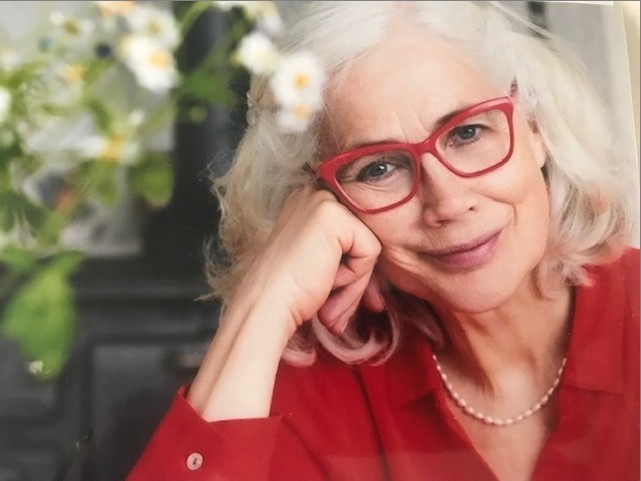
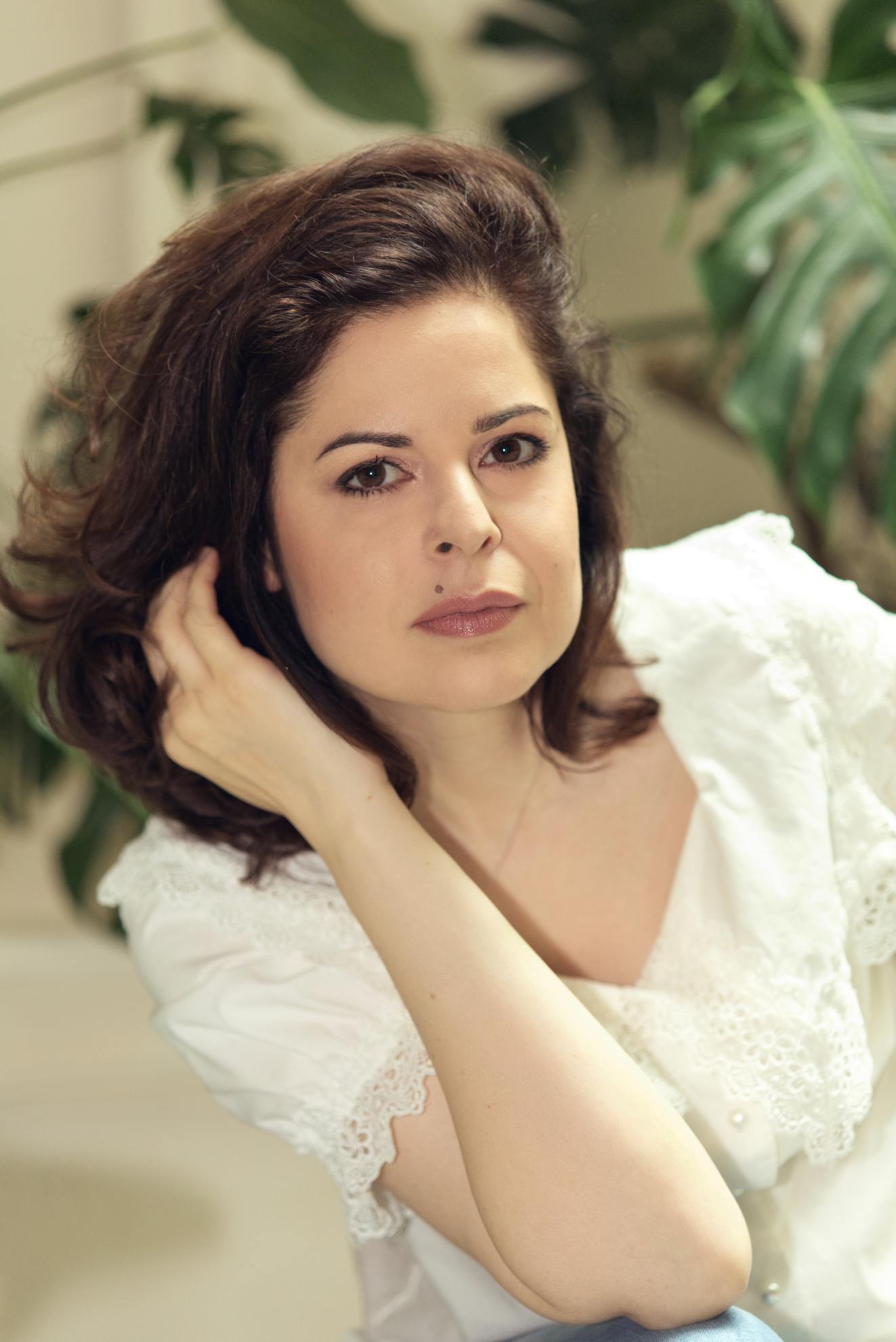
Marika Lagercrantz
Narrator · Apollo's muse 2027
6–8 May 2027 · Elghammar
As a tribute to the virtuoso Terje Tønnesen, founder and artistic director of the Norwegian Chamber Orchestra and concertmaster of the Oslo Philharmonic, Apollon Chamber Orchestra – a chamber orchestra of thirteen Swedish and international musicians – performs works by the great masters Grieg, Bach, Kerem, Beethoven, Schubert, Zorn, Shostakovich, Elgar and Mozart in three concerts, led by the world-class artists violinist Daniel Bard and pianist Zlata Chochieva at the Steinway grand. The festival's muse is Marika Lagercrantz.
Preliminary programme, subject to change.
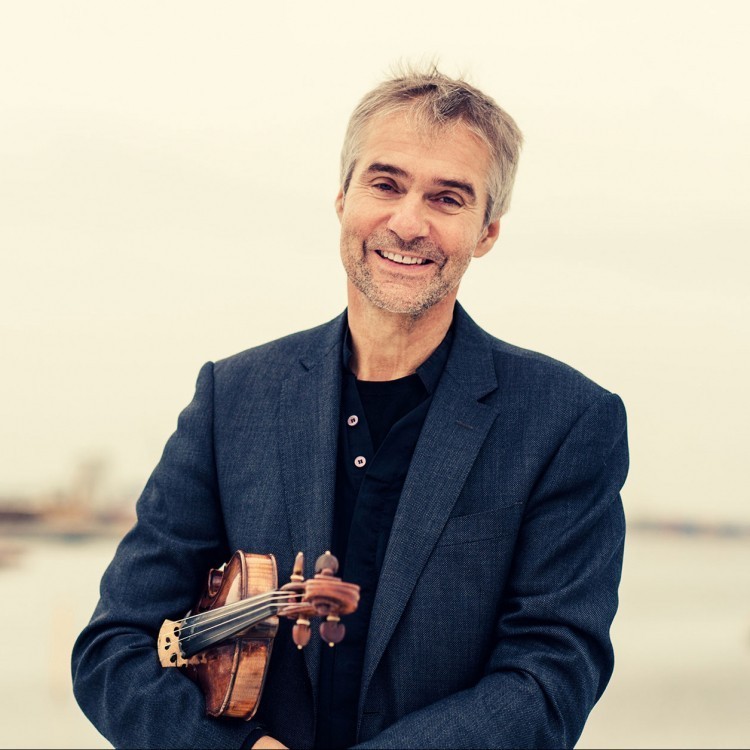
The festival honours
Marika Lagercrantz
Narrator · Apollo's muse 2027
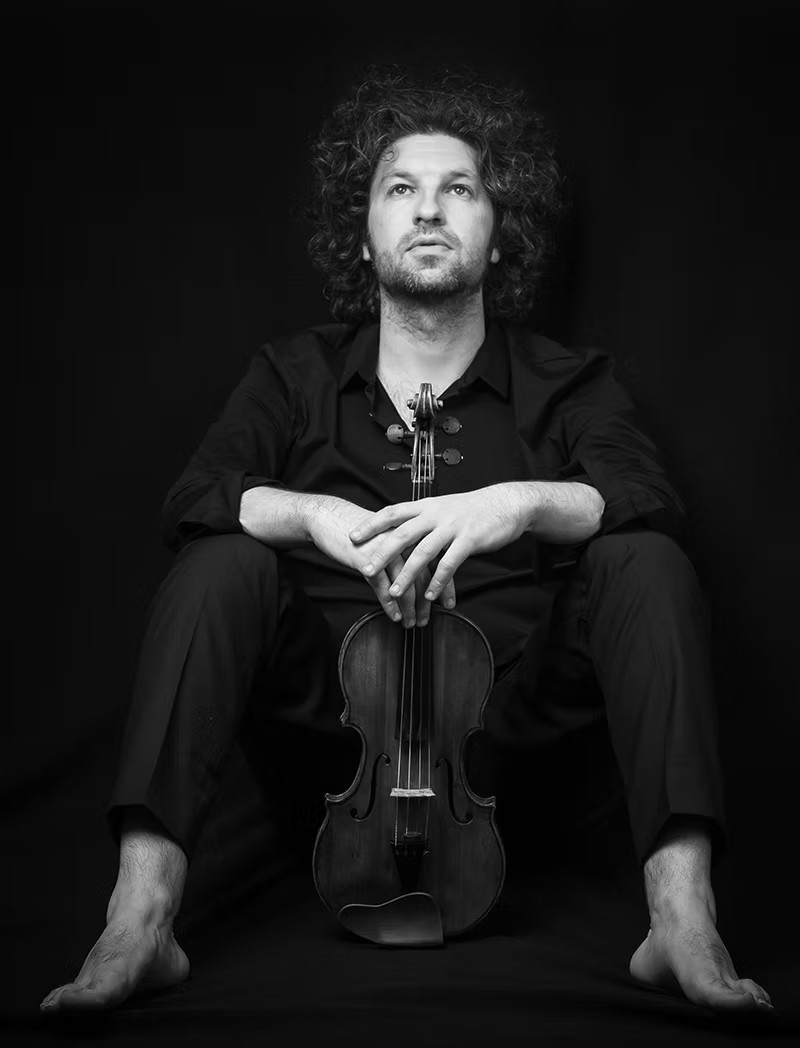
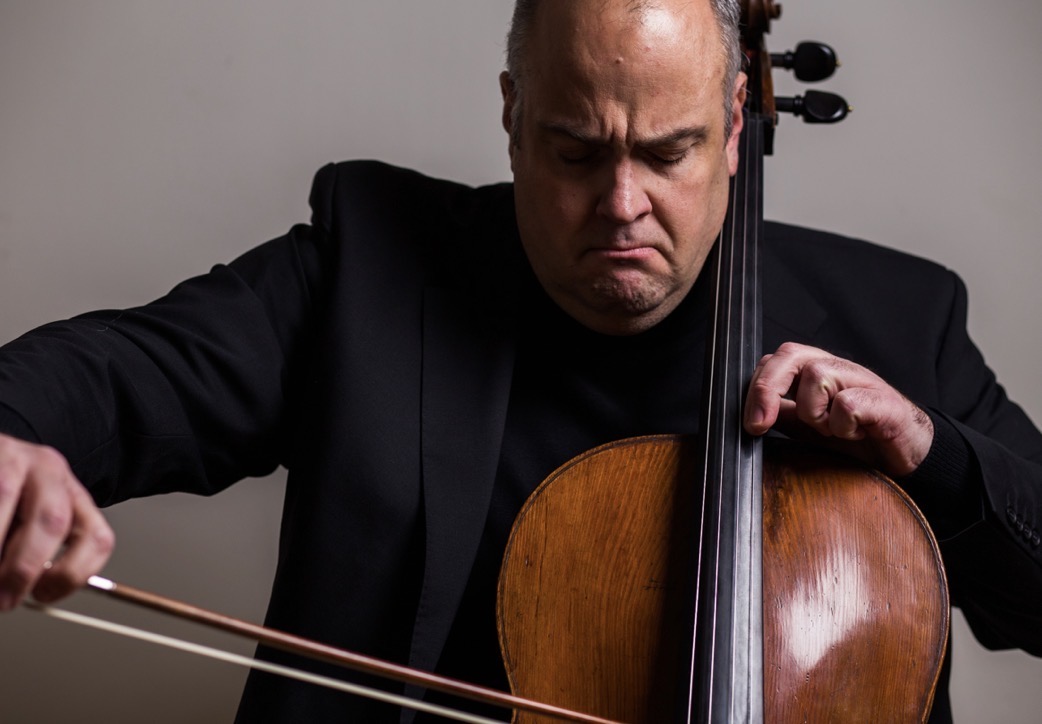
Per Nyström
Cello · artistic director
Thursday 6 May 2027
Grieg, Bach, Kerem and Beethoven. Eleonora Matsuno leads the orchestra.
Concert starts at 19.00 · Lecture at 18.30 by Per Nyström
Programme
From Holberg's Time, suite in olden style, Op. 40
Concerto for Two Violins in D minor, BWV 1043
Lamento for cello and strings
Adagio ma non troppo e molto cantabile, from String Quartet No. 12 in E-flat major, Op. 127, for string orchestra
About the evening
Thursday begins in the North. Grieg's Holberg Suite is music that many of us have carried with us since childhood. Grieg wrote it in 1884 for the bicentenary of Ludvig Holberg and dressed his own time in baroque clothing, but beneath the wigs there is Norwegian air and Norwegian light. It feels right to begin just here, in a year dedicated to Terje Tønnesen. Eleonora Matsuno leads the orchestra.
Then Bach. The Double Concerto in D minor is one of the most iconic works of the baroque. It hardly gets more thrilling or more beautiful.
After the interval we turn inwards. Mihkel Kerem is an internationally established composer, and his Lamento is a lament in which the cello carries the story beyond words. The piece is dedicated to Per Nyström.
The evening ends with the slow movement of Beethoven's String Quartet Op. 127, played here by the whole orchestra. For me, Beethoven's late quartets represent the event horizon of the human being.
Friday 7 May 2027
Piano recital
Schubert's four impromptus and Beethoven's Appassionata with Zlata Chochieva.
Concert starts at 19.00
Programme
Four Impromptus, Op. 142, D 935
Piano Sonata No. 23 in F minor, Op. 57, “Appassionata”
About the evening
Friday belongs to the piano and Zlata Chochieva. Schubert's four impromptus Op. 142 were written in 1827, a year before he died, only thirty-one years old. The word impromptu sounds like something that comes about on a whim, but these pieces are anything but casual. In the third, Schubert takes a melody from his music for Rosamunde and lets it wander through variation after variation.
The Appassionata was given its name by a publisher only after Beethoven's death, but the name fits. It is among the most violent music Beethoven wrote for the piano, and in the middle of it stands a still movement, almost a hymn, like a breath before the finale tears away again. What does creation cost? Apollo was the god of light, but light does not come for free.
Saturday 8 May 2027
A meditative journey
From Zorn's Kol Nidre to Mozart's Piano Concerto K. 414.
Concert starts at 19.00
Programme
Kol Nidre
from String Quartet No. 15 in E-flat minor, Op. 144
Cavatina, Adagio molto espressivo, from String Quartet No. 13 in B-flat major, Op. 130
The works are played without a break
Serenade for Strings in E minor, Op. 20
Piano Concerto No. 12 in A major, K. 414
Daniel Bard on the first half of the concert
Music has a remarkable ability to take us where words cannot reach. This programme invites an inner journey, down into the deepest and most private corners of the human soul.
We begin with John Zorn's Kol Nidre, with its uncompromising and often unsettling sound worlds, and then slowly sink beneath the surface of our everyday lives. It is a journey inwards, where we meet vulnerability, loneliness, darkness and what we so often find hard to put into words.
At the centre of the journey stands Shostakovich's fifteenth string quartet, his last, a work of unusual intensity and fragility. Perhaps in this final musical statement Shostakovich allows himself to look further inwards than ever before and to express something deeply personal and close, without filter and without restraint. The six slow movements unfold like a meditation on death, memory and the passing of time. There is no escape from the darkness, no easy resolution. Instead we are asked to stay, to listen and to doubt, and perhaps to recognise something of ourselves in the stillness.
And then, almost imperceptibly, a different kind of light emerges. The Cavatina from Beethoven's String Quartet Op. 130 gives us a moment of deep tenderness. After the emotional weight of what came before, its simplicity and humanity feel almost like something beyond us. It does not erase the darkness, but lets us see past it.
Perhaps this is the very core of the journey: not to flee from our inner darkness but to travel through it, and to discover that even in the deepest places there is room for light. And perhaps, above all, we are reminded of one of music's greatest gifts: that it can give expression and space to the words we cannot find, to feelings we cannot name, and to truths that can only be reached through sound.
After the interval
Elgar wrote his Serenade for Strings in 1892, long before anyone knew his name, but it is the music of someone who already knew what he wanted to say. The Larghetto is among the most beautiful things I know for strings.
And finally Mozart. He wrote the Piano Concerto in A major in Vienna in the autumn of 1782, twenty-six years old, newly married and full of future. He himself wanted the concertos to be playable with just a small string ensemble, and it is that closeness we seek here. In the slow movement Mozart quotes a melody by Johann Christian Bach, who had died that same year and whom Mozart had loved since he was a child in London. So the festival ends: with a memory, a thank you, and light.
Three evenings at Elghammar. Tickets are sold per evening.